Bhutan is one of the few countries in the world where ancient traditions, sacred rituals, and colorful masked dances continue to thrive in their original form. If you’re planning a visit, experiencing Bhutan festivals—especially Tshechus—is one of the most captivating ways to understand the heart of the Himalayan kingdom. This complete guide highlights the most important Tshechu dates, festival meanings, and what to expect from the major cultural events Bhutan is known for.
Understanding these festivals is essential because Tshechus are not just tourist attractions—they are spiritual gatherings deeply rooted in Bhutanese identity, community values, and Buddhist teachings.
What Is a Tshechu?
Before exploring the calendar, it’s important to understand what a Tshechu really represents.
Meaning of Tshechu
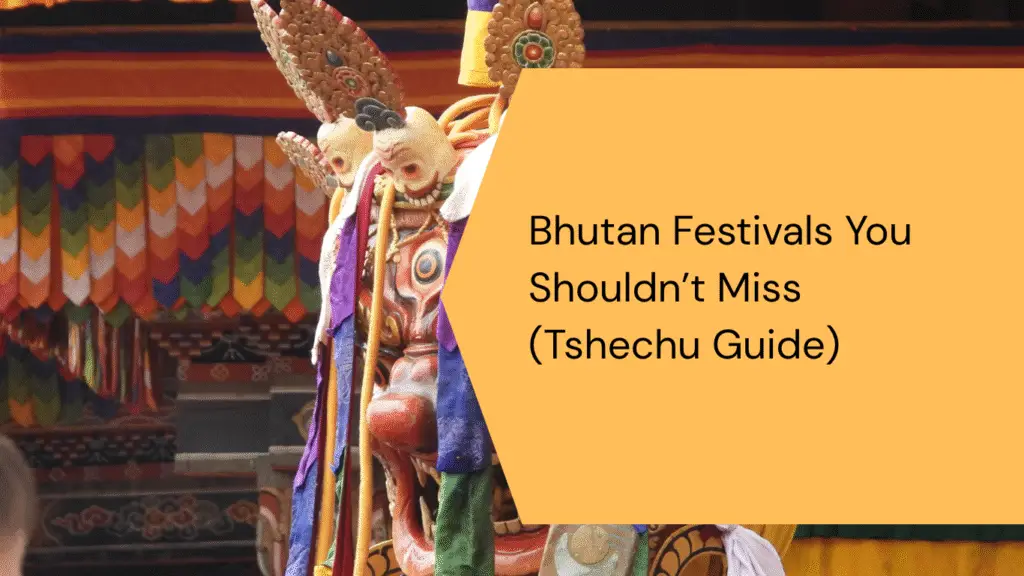
A Tshechu is a religious festival held annually across Bhutan in honor of Guru Rinpoche, who brought Buddhism to the country in the 8th century.
Key Features
- Sacred mask dances (Cham dances)
- Traditional Bhutanese attire
- Social gatherings and blessings
- Cultural music and performances
Why It Matters:
Attending a Tshechu provides a rare insight into Bhutan’s ancient traditions and spiritual culture.
Why You Should Attend a Bhutan Festival
Tshechus bring communities together and offer unforgettable experiences for visitors.
Cultural Importance
- Represents Bhutan’s living culture
- Strengthens community harmony
- Serves as a form of oral history
- Provides blessings believed to bring good fortune
Traveler Insight:
Many visitors say attending a Tshechu feels like stepping into a living museum of Bhutanese heritage.
Best Tshechus in Bhutan: Dates & Highlights
Transition: With the importance of Tshechus in mind, let’s explore the most popular and meaningful festivals you shouldn’t miss.
1. Paro Tshechu
One of Bhutan’s most famous and largest festivals.
When It Happens
Usually held in March or April.
Highlights
- Unfurling of the Thangka (Thongdrel) at dawn
- Colorful mask dances
- Large crowd participation
Why Attend:
Perfect for first-time visitors wanting a classic Bhutan festival experience.
2. Thimphu Tshechu
The capital’s biggest cultural event and a favorite among locals.
When It Happens
Takes place in September or early October.
Highlights
- Energetic mask dances
- Dance of the Black Hats
- Strong local participation
Why Attend:
Great for experiencing the blend of tradition and modern Bhutanese culture.
3. Punakha Drubchen & Punakha Tshechu
Two consecutive festivals that retell Bhutan’s historical victories.
When They Happen
Held in February or March.
Highlights
- Military reenactments
- Mask dances inside Punakha Dzong
- Powerful spiritual atmosphere
Why Attend:
Ideal for history lovers and those interested in ancient battle rituals.
4. Jambay Lhakhang Drup (Bumthang)
A mystical and spiritual Tshechu held in the heart of Bhutan.
When It Happens
Occurs in October or November.
Highlights
- Nighttime fire dance (Ter Cham)
- Oldest temple settings
- Deep spiritual significance
Why Attend:
Perfect for travelers seeking rare, authentic ritual experiences.
5. Black-Necked Crane Festival (Phobjikha Valley)
Not a Tshechu but a cultural event celebrating Bhutan’s endangered cranes.
When It Happens
Held annually on November 11.
Highlights
- Local dances and songs
- Conservation themes
- Stunning valley scenery
Why Attend:
Ideal for nature lovers and eco-tourists.
Understanding Tshechu Dates & Seasonal Planning
Transition: To plan your trip, it’s important to know how Tshechu dates align with Bhutan’s seasons.
How Tshechu Dates Are Decided
Tshechu dates follow the lunar calendar, so dates vary each year. Festivals usually last 3–5 days, and many feature special ceremonies on the final day.
Best Seasons for Festivals
- Spring (March–May) – Paro, Punakha
- Autumn (Sept–Nov) – Thimphu, Bumthang
- Winter (Nov–Dec) – Crane Festival
Travel Tip:
Book your hotel and permits early, especially for Paro and Thimphu Tshechu, as accommodations fill fast.
What to Expect at a Bhutan Festival
Transition: Knowing what to expect helps you fully appreciate the experience.
Atmosphere
- Colorful traditional attire
- Monks performing spiritual dances
- Locals gathering with families
- Food stalls selling traditional snacks
Cultural Etiquette
- Wear modest clothing
- Avoid blocking dancers’ paths
- Photography allowed outside religious spaces
- Bow slightly when receiving blessings
Real Example:
Visitors at Paro Tshechu often describe seeing thousands of people dressed in their finest Gho and Kira, creating a powerful and moving scene.
Best Tips for Attending Bhutan Festivals
Following these tips will help you enjoy Tshechus comfortably and respectfully.
Top Bhutan Festival Tips
- Arrive early to find good viewing spots
- Bring a light jacket—it can get windy
- Carry water and light snacks
- Respect crowds and sacred spaces
- Wear comfortable shoes
Pro Tip:
Your guide can explain the meaning behind each dance so you appreciate the deeper significance.
Current Trends & Future Predictions for Bhutan Festivals
Trends in 2025
- Rising popularity of photography tours
- Increasing number of festival-themed travel packages
- Greater interest in rural Tshechus for authentic experiences
Future Predictions
- Digital calendars for easier Tshechu date planning
- Eco-friendly festival initiatives
- More immersive cultural workshops for tourists
These developments aim to preserve traditions while enhancing visitor experience.
Actionable Takeaways
- Check Tshechu dates early when planning your trip
- Visit in spring or autumn for the biggest festivals
- Respect cultural etiquette and dress modestly
- Pair your festival visit with sightseeing for a complete trip
- Ask your guide for dance explanations for deeper understanding
Conclusion
Attending a Tshechu is one of the most meaningful ways to experience Bhutan’s culture, spirituality, and community values. From the vibrant Paro Tshechu to the mystical Jambay Lhakhang Drup, Bhutan’s festivals offer unforgettable moments filled with color, music, and sacred symbolism. By understanding the festival dates, significance, and cultural etiquette, you can plan a deeply rewarding journey into the soul of Bhutan.
If you’re ready to experience Bhutan’s festivals firsthand, now is the perfect time to start planning your travel dates.
Self-suggestive Note:
If you’re looking for help planning your Bhutan festival trip, consider traveling with your company name — specialists in Tshechu itineraries, cultural tours, and seamless Bhutan travel planning.
FAQs
1. What is a Tshechu in Bhutan?
A Tshechu is a religious festival honoring Guru Rinpoche, featuring masked dances and cultural performances.
2. When is the best time to experience Bhutan festivals?
Spring (March–May) and Autumn (September–November) offer the biggest and most popular Tshechus.
3. How long does a Tshechu last?
Most Tshechus last 3–5 days, depending on the region.
4. Do Tshechu dates change every year?
Yes. They follow the traditional lunar calendar, so dates vary annually.
5. What should I wear to a Bhutan festival?
Dress modestly and comfortably—jackets, closed shoes, and respectful attire are recommended.